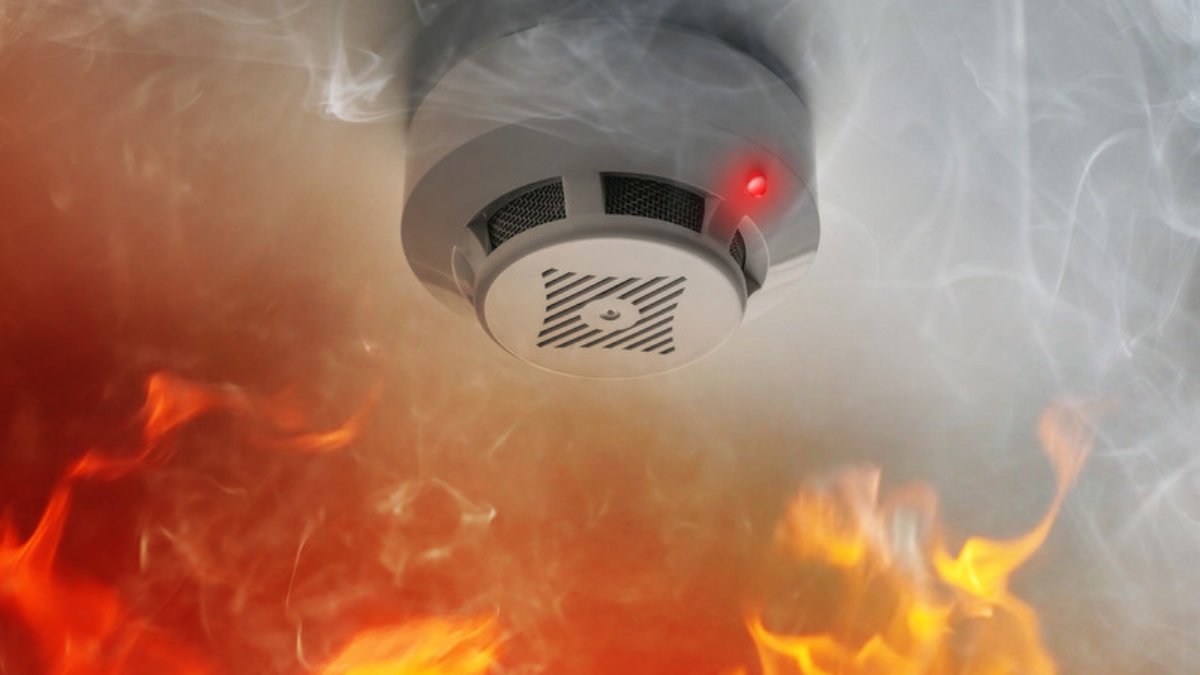
Test every smoke alarm and carbon monoxide alarm once a month by pressing and holding its test button until it sounds. Replace batteries at least once a year, or as the manufacturer recommends, and replace smoke alarms 10 years from their manufacture date. The whole round takes just a few minutes.
The National Fire Protection Association (NFPA) recommends testing smoke alarms at least once a month. Alarms can fail because of dead batteries, dust, age or a power issue, and monthly testing is the simplest way to catch that. Carbon monoxide (CO) is a colorless, odorless gas produced when fuels like natural gas, propane, oil, wood or gasoline burn, so an alarm is the only practical way to know it’s there.
How to Run the Monthly Test
- Let everyone know. Tell family members you’re testing so the noise doesn’t alarm them, and consider earplugs.
- Use a step stool or ladder safely for ceiling-mounted alarms. Place it on a level floor and don’t stand on the top step.
- Press and hold the test button until the alarm sounds. A loud, piercing sound means the horn and battery are working.
- Check interconnected alarms. If your alarms are linked, pressing the test button on one should make all of them sound.
- Listen from other rooms. Make sure you can hear the alarm from bedrooms with the doors closed.
- Test CO alarms the same way, following the manufacturer’s instructions. Combination alarms test both functions at once.
- Write down the date in a notebook or phone note.
If an alarm sounds weak or doesn’t sound at all, replace the battery and test again. If it still fails, replace the alarm.
How Often Do Batteries and Alarms Need Replacing?
That depends on how the alarm is powered:
- Replaceable battery alarms: Replace batteries at least once a year, or as the manufacturer recommends. Many people do this when the clocks change for daylight saving time.
- Sealed 10-year battery alarms: The battery lasts the life of the alarm. You still test monthly, and you replace the whole unit at its end of life.
- Hard-wired alarms: These connect to your home’s electrical system and usually have a backup battery. Replace the backup battery as directed.
A chirping alarm usually means a low battery, though some alarms also chirp to signal end of life. Check the manual if a new battery doesn’t stop the chirp.
| Alarm type | Replacement guideline |
|---|---|
| Smoke alarm | Every 10 years from the date of manufacture, per NFPA |
| CO alarm | Follow the manufacturer’s stated life span, often printed on the alarm |
| Combination smoke/CO alarm | Follow the manufacturer’s instructions |
Look on the back of the alarm for the manufacture date. If you can’t find one, or it’s older than 10 years, replace it. For hard-wired alarms, turn off power at the breaker before removing the old unit and choose a replacement compatible with the existing wiring or adapter. If the wiring doesn’t match or you’re unsure, call a licensed electrician.
Are Your Alarms in the Right Places?
A passing test only helps if the alarm can hear the danger. The NFPA recommends installing smoke alarms inside every bedroom, outside each sleeping area and on every level of the home, including the basement. Place CO alarms outside each sleeping area and on every level, following the manufacturer’s placement instructions. Many state and local codes also have specific requirements.
- Mount smoke alarms on the ceiling or high on walls, since smoke rises.
- Keep smoke alarms at least 10 feet from cooking appliances when possible to reduce false alarms.
- Avoid spots near windows, doors or ducts where drafts can interfere.
- Interconnected alarms are a good choice, because when one sounds, they all sound.
Most smoke alarms are either ionization (faster with flaming fires) or photoelectric (faster with smoldering fires). Fire safety groups often suggest having both kinds or using dual-sensor alarms, and choosing models that carry the label of a recognized testing laboratory.
Simple Care Between Tests
- Gently vacuum the outside of each alarm a few times a year with a soft brush attachment.
- Never paint an alarm or cover it with stickers or decorations.
- Don’t remove batteries to stop nuisance alarms. Fan the air, press the “hush” button, or move the alarm if it’s too close to the kitchen or bathroom.
- Never run generators, grills or camp stoves indoors, in garages or near windows, and keep outdoor vents clear of snow and debris.
If a smoke alarm goes off, get everyone out using your planned escape routes, stay low under smoke and call 911 from outside. If a CO alarm sounds, move everyone, including pets, to fresh air, call 911 or the fire department, and have a qualified technician check fuel-burning appliances before using them again. The NFPA suggests planning two ways out of every room and a meeting spot outside.
Clothes dryers are another fire risk worth checking. See dryer vent cleaning basics to keep lint from building up.
Frequently Asked Questions
Can I install smoke and CO alarms myself?
Battery-powered and plug-in alarms are easy DIY installs. Hard-wired alarms involve household wiring, so turn off the breaker first and call an electrician if you’re unsure.
Who is responsible for alarms in a rental?
Rules vary by state and city. Landlords are often required to install alarms, while tenants may be responsible for testing and replacing batteries. Check your lease and local rules.
Make alarm testing part of your monthly routine on the home maintenance checklist. A few minutes a month is all it takes.