A home does not need a full remodel to feel fresh. Fresh paint, new hardware, better lighting and a tidy entry can change how a space looks and works, often in a single weekend. This guide helps you pick upgrades that make a visible difference, plan them in a sensible order and avoid the mistakes that turn small projects into big headaches.
Choose Upgrades That Change How You Live
The best budget upgrades do one of two things: they change what you see every day, or they fix something that annoys you every day. A dated light fixture over the kitchen table, a dark hallway, cabinet knobs that wobble, a front door with faded paint, a closet that will not close. These are the spots where a modest project feels like a big improvement.
Start with a simple room walk
Walk through each room with a notepad and ask three questions:
- What is the first thing I notice when I walk in?
- What bothers me when I use this room?
- What looks worn, dated or mismatched?
Pay attention to light and traffic, too. Note which rooms feel dark at different times of day, where people bump into furniture or doors, and where clutter tends to pile up. Those patterns often point to simple fixes like brighter bulbs, a hook rail or a different shelf.
Write down every answer, then circle the items that show up in rooms you use most: the kitchen, the main bathroom, the living room and the front entry. Those are usually the best places to start.
Paint: The Biggest Change for the Least Effort
Few projects transform a room as quickly as paint. A new wall color can make a room feel brighter, calmer or larger, and freshly painted trim and doors make everything look cleaner.
- Walls: Light, warm neutrals are easy to live with and reflect more light. A deeper color on one wall can add interest without overwhelming the room.
- Trim and doors: Scuffed baseboards and door frames make even fresh walls look tired. A semi-gloss coat on trim is durable and easy to wipe clean.
- Ceilings: A flat white ceiling paint can brighten a room that has yellowed over time.
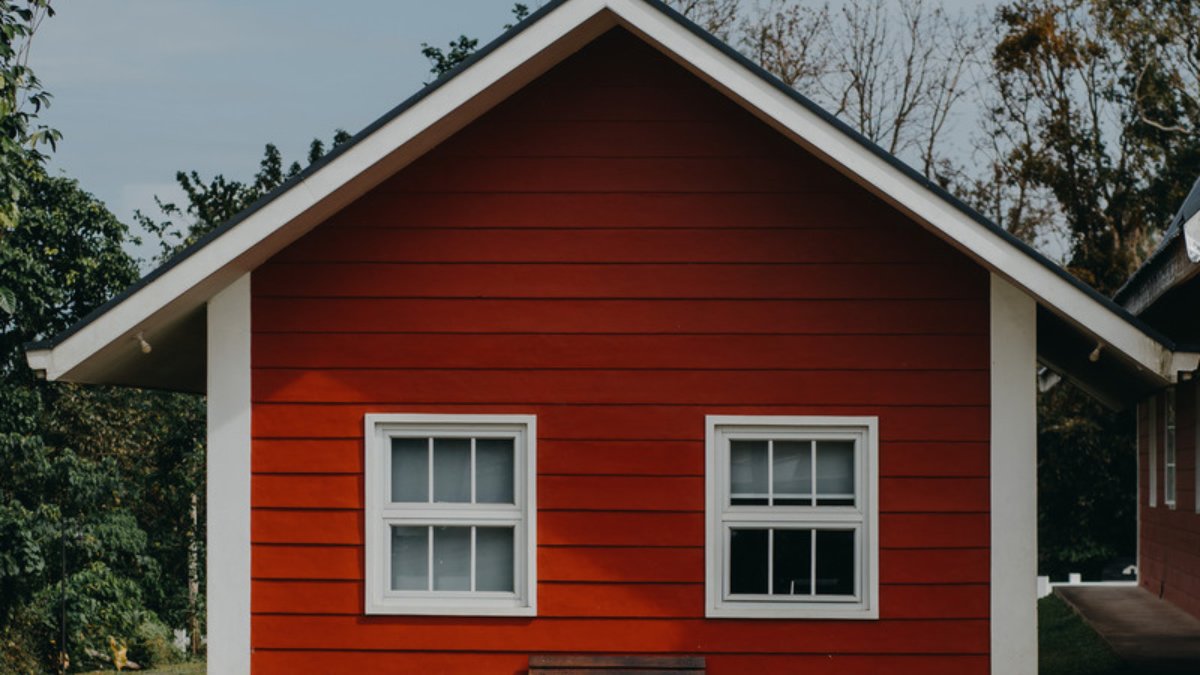
- Front door: A newly painted door is one of the quickest curb appeal boosts.
Prep is what separates a professional-looking result from a messy one. Our step-by-step guide to painting a room like a pro covers prep, tools, cutting in and rolling. One important safety note: the U.S. Environmental Protection Agency warns that homes built before 1978 may contain lead-based paint. Do not sand or scrape old paint in an older home until you have tested it or hired a lead-safe certified contractor.
Kitchen and Bath Refreshes
Kitchens and bathrooms get the heaviest use, so small changes here are noticed every day.
Cabinet hardware
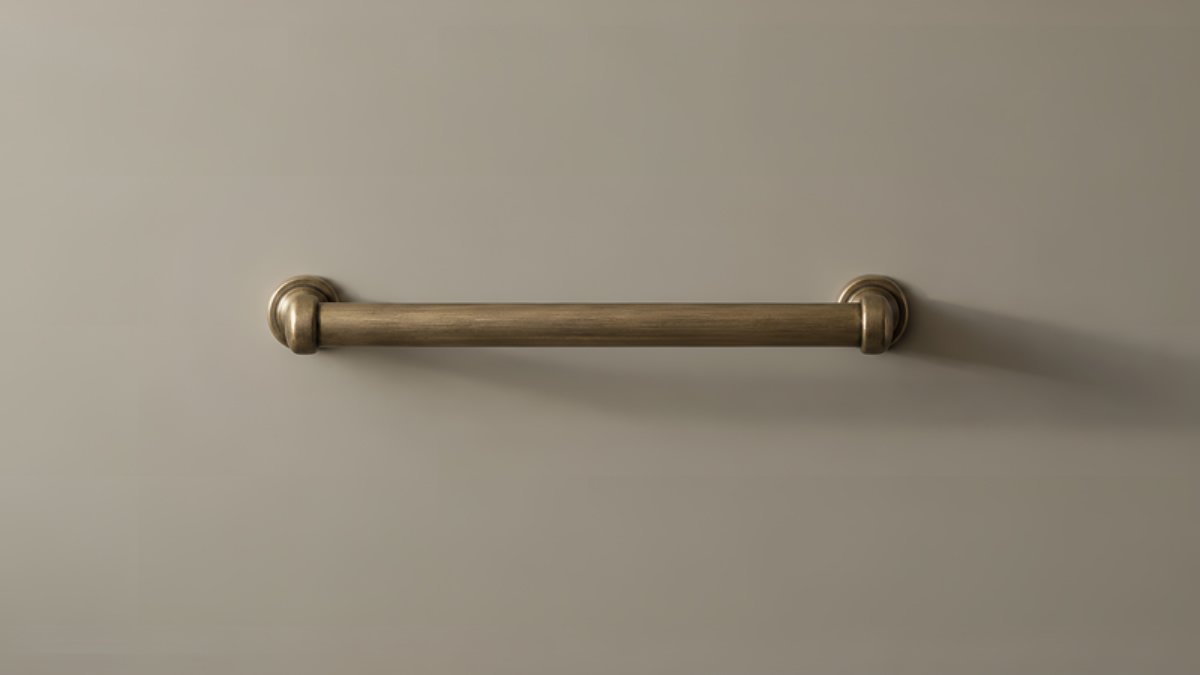
New knobs and pulls can make plain or dated cabinets feel current. It is mostly a screwdriver job, especially if you match the existing hole spacing. Our guide to updating cabinet hardware explains how to measure, choose sizes and drill new holes neatly.
Backsplash
A backsplash protects the wall behind your counters and adds color and texture. Peel-and-stick tiles are a popular low-commitment option for renters and homeowners alike. Before you start, know that surface prep and heat clearance around the stove matter a great deal.
Small swaps that add up
- Fresh caulk around the tub, shower and sink instantly looks cleaner and helps keep water out of walls.
- Clean grout with a stiff brush and a cleaner made for tile, then seal it as the product directs.
- New towel bars, hooks and a matching toilet paper holder tie a bathroom together. Use wall anchors or mount into studs so they stay put.
- Switch plates and outlet covers in a clean, matching finish freshen walls. Turn off the circuit at the breaker before removing covers on outlets near water.
- A new showerhead takes minutes to install and can improve your daily shower while using less water.
Lighting Upgrades
Lighting changes the mood and usefulness of a room more than most people expect. A dim kitchen feels cramped, while good task lighting makes cooking easier and safer.
- Change the bulbs first. Warm white LEDs (around 2700K to 3000K) feel inviting in living spaces and use far less energy than old incandescent bulbs.
- Add lamps. Floor and table lamps fill dark corners without any wiring.
- Add under-cabinet lights. Plug-in or battery-powered LED strips light up countertops with no electrical work.
- Replace a dated fixture. Swapping a ceiling fixture on an existing box is a common DIY project if you follow safety steps carefully.
Think in layers. Most rooms feel best with three kinds of light: general light from a ceiling fixture, task light where you read, cook or work, and softer accent light from lamps. A room lit only by one bright overhead fixture can feel flat, while adding a lamp or two at eye level makes it feel warmer. A large mirror placed across from a window can also bounce daylight deeper into a dim room, and switching heavy curtains for lighter panels lets in more natural light during the day.
Before you take down any fixture, read our guide to swapping a light fixture safely. Always shut off the breaker and confirm the power is off with a voltage tester. If you find aluminum wiring, no ground, damaged insulation or a box that is loose or not rated for the fixture’s weight, stop and call a licensed electrician.
Outside: First Impressions
The outside of your home is the first thing guests and neighbors see. Small exterior projects make the whole property feel cared for.
- Paint or deep-clean the front door and replace worn weatherstripping while you are at it.
- Install clear, easy-to-read house numbers so emergency responders can find you quickly.
- Refresh mulch in garden beds and trim overgrown shrubs away from walkways and windows.
- Add a pair of planters by the door and update the porch light.
- Clean the mailbox, or replace one that is leaning or rusted.
Use a stable ladder for porch lights and gutters, and keep pressure washers on a low setting near siding and windows. Before you dig for any post or planting, call 811 so underground utility lines can be marked.
Storage and Organization
Clutter makes any room feel smaller. Better storage is one of the most satisfying upgrades because it improves daily routines right away.
- Add a second hanging rod in a closet to double hanging space for shirts and pants.
- Use matching bins and labels on shelves so items have a clear home.
- Install hooks by the door for keys, bags and coats.
- Use over-the-door organizers for shoes, pantry items or cleaning supplies.
Our guide to closet organization on a budget walks through decluttering, measuring and simple systems. Anchor tall bookcases and dressers to the wall with anti-tip hardware, especially in homes with children.
Gather Tools and Set a Realistic Scope
Most budget upgrades use the same small set of tools. Having them ready before you start keeps a weekend project from turning into three trips to the store.
| Tool or supply | Used for |
|---|---|
| Tape measure and pencil | Hardware spacing, closet layouts, fixture placement |
| Cordless drill with bits | New hardware holes, pilot holes, shelf brackets |
| Screwdriver set | Switch plates, hinges, hardware, fixtures |
| Level (and a stud finder) | Shelves, hooks, towel bars, backsplash layout |
| Non-contact voltage tester | Confirming power is off before any electrical work |
| Painter’s tape, drop cloths, putty knife | Painting prep and small wall repairs |
| Step ladder | Ceilings, high shelves and light fixtures |
| Safety glasses, gloves, dust mask | Drilling, sanding, cleaning and painting |
If you are just building a kit, start with the basics and add tools only as projects call for them. Borrowing a specialty tool for a one-time job is often smarter than buying it.
Keep the scope clear
A budget upgrade stays a budget upgrade when you define it in writing. Instead of “redo the kitchen,” write “paint the walls, replace 18 cabinet knobs and swap the ceiling light.” List each material with quantities, such as how many gallons of paint, how many pulls and which bulb type. Check what you already own in the garage or closet before shopping. Leftover paint, spare hooks and extra baskets often cover part of a project.
Plan a little extra time for surprises, too. Old walls hide uneven spots, screws strip and hardware arrives in the wrong finish. A schedule with breathing room keeps you from rushing the final steps, which is where most visible mistakes happen.
Plan Projects in the Right Order
Doing projects in the wrong order can mean redoing work. A simple sequence helps:
- Repairs first. Fix leaks, holes and broken parts before cosmetic work. Patching nail holes and dents in drywall before painting is a good example.
- Messy work next. Anything that creates dust, like sanding or drilling, comes before paint.
- Paint. Paint ceilings first, then walls, then trim.
- Fixtures and hardware. Install lights, hardware and accessories after paint has cured.
- Decor and organization. Finish with storage, rugs and decor.
Common mistakes to avoid
- Skipping prep. Cleaning, patching and sanding take time, but they make results last.
- Buying before measuring. Measure cabinet hole spacing, fixture boxes, closets and wall areas before shopping.
- Starting too many projects at once. Finish one room before moving on, so your home stays livable.
- Ignoring rules. Renters should check their lease and ask the landlord before permanent changes. Homeowners should check HOA rules and local permit requirements for electrical or exterior work.
Frequently Asked Questions
Which budget upgrade makes the biggest visual difference?
For most rooms, paint. It changes the color, brightness and feel of a space more than any other single project, and it is very beginner friendly with good prep.
What upgrades are good for renters?
Lamps, plug-in lighting, removable hooks, freestanding storage, curtains and some peel-and-stick products are usually renter friendly. Always ask before painting or changing fixtures, and keep original parts to reinstall.
When should I hire a professional?
Call a licensed electrician for new circuits, outlets or wiring problems, and a licensed plumber for anything beyond simple fixture swaps. Hire help for work on tall ladders, roofs or anything requiring a permit.
How do I keep a project from growing out of control?
Write down the exact scope before you start, list the materials, and finish that list before adding anything new.
Budget upgrades work best when they are chosen carefully and done well. Start with the room you use most, focus on one or two changes, and take the time to prep. Small, finished projects add up to a home that feels new.